Field notes · outside the usual routes
San Francisco Las Flores, and the beans that wouldn’t cook
Huehuetenango, Guatemala · 2013
I went to San Francisco Las Flores twice in 2013, both times to help families cook with less firewood. What I remember best is the night I couldn’t cook a pot of beans.
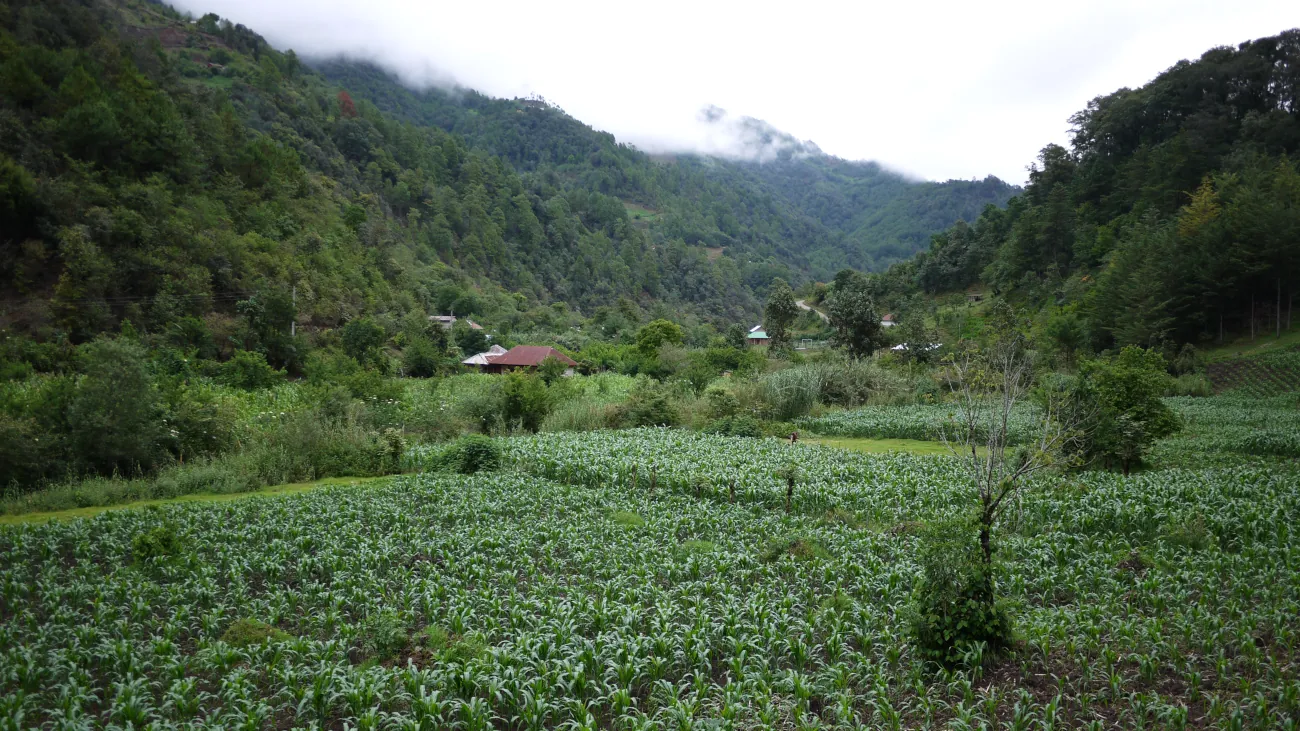
Two trips into the Cuchumatanes
San Francisco Las Flores is a village in the municipality of Chiantla, Huehuetenango, deep in Guatemala’s Cuchumatanes mountains. It mattered to the stove project before I ever got there. The engineers at ACODIHUE, a regional development association working with smallholder farmers across Huehuetenango, came from San Francisco Las Flores, and they had chosen the cookstove I’d designed.
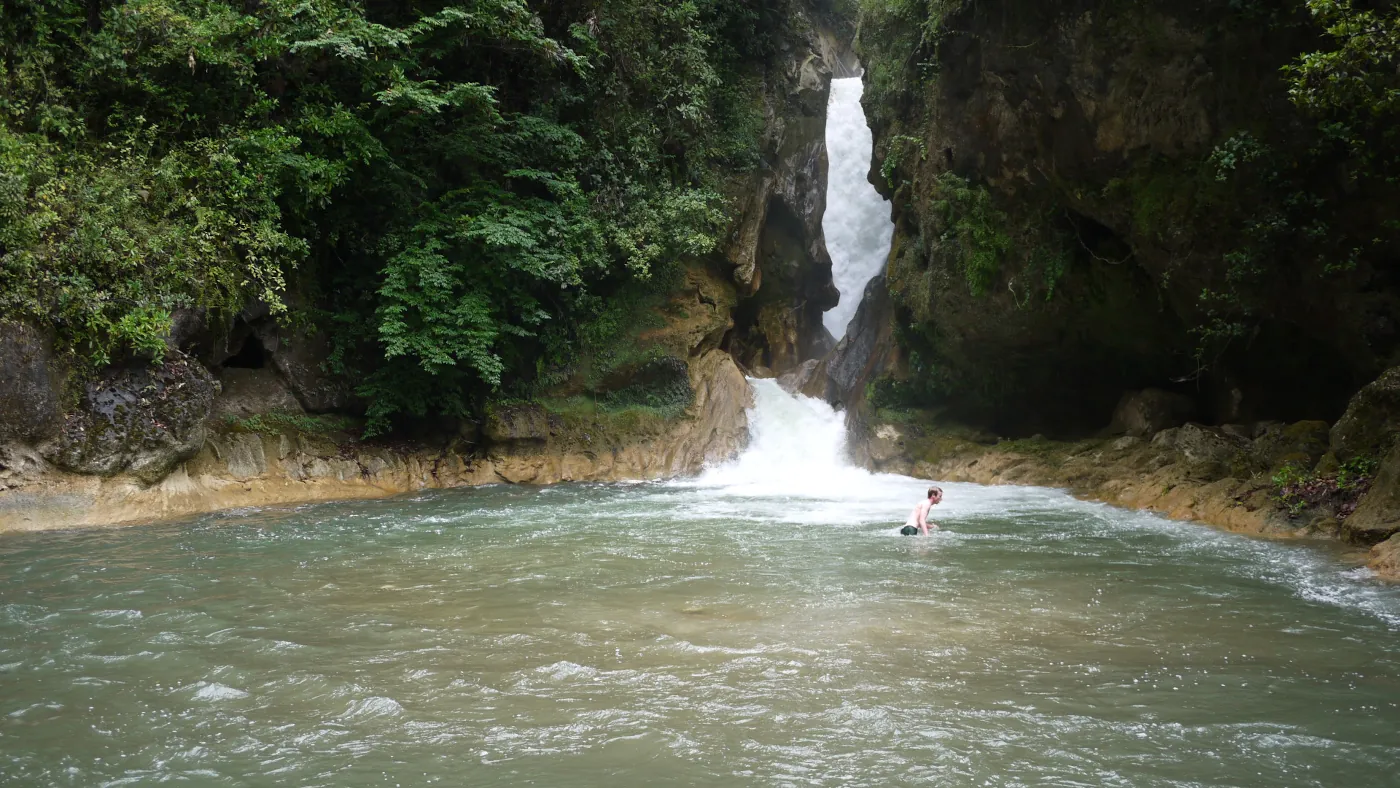
The first trip was in March. Juan, the young man I’d trained to install stoves, came over from Nebaj the day before, and we met in Huehuetenango at about 5.30 in the morning. We were picked up and driven up into mountains I already knew well. The road to San Francisco Las Flores leads off from San Juan Ixcoy and runs alongside a beautiful emerald-blue river.
The installing was slow, with just the two of us following a plan agreed with the leaders of each community. We worked until dark every day, and some nights we slept in the house where we’d put in the last stove of the day. Some houses in San Francisco Las Flores had no road to them, so the last stretch was by mule; I’ve told that part in the stove’s own story.
I went back in July, in the rainy season, for three days, with a colleague and three American engineering students. We were testing a second stove I’d designed, a small rocket stove for tortillas and big pots of corn, and asking families how the stoves they’d bought were working.
Three meals a day
I was leading the group, and the hardest part of the job turned out to be feeding everyone three times a day. The days were cool and wet, and by evening we were all hungry. We stayed in a wooden cabin and cooked on a gas stove, by the light of our own solar lamps, because there was no electricity.
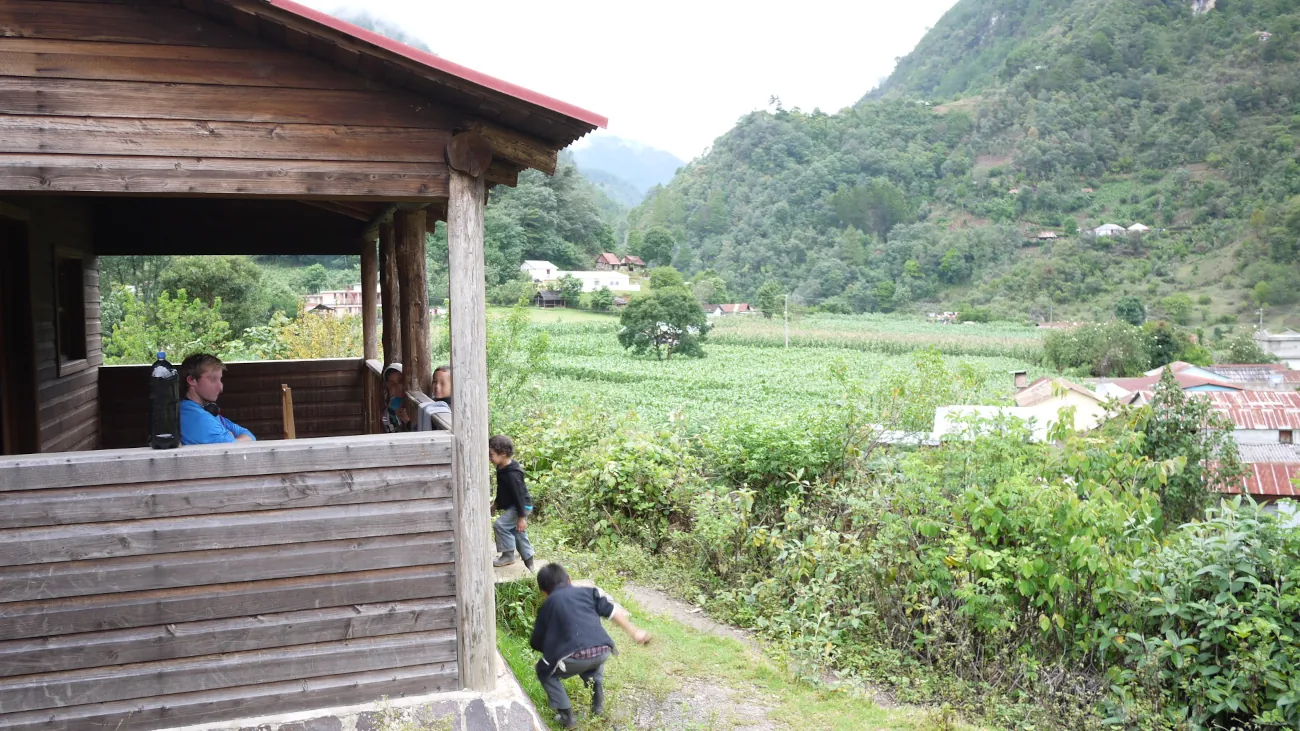
One night I had beans on that stove for four hours, and they were still hard. Not undercooked: inedible. It was getting late.
So we carried the pot through the dark to the nearest house. The family’s fire was still lit. The woman of the house added some cal, the lime people use to soak corn for tortillas, and cooked the beans over her fire for another hour. It was around ten at night when we finally ate.
Her stove wasn’t one of ours. I noticed how much wood was burning in it, and how open the flame was at the intake: the way the traditional concrete stoves were built, the kind the programme was there to replace.
We’d come to replace stoves like hers. That night, hers cooked our dinner.
It wasn’t a verdict on either stove. She had a fire still burning at ten at night, and knew what to put in the pot.
What I was told about the peas
The community leader told me the snap peas grown on those slopes went to the UK. I didn’t see the fields where they were grown, but it still felt strange to be in a remote corner of Guatemala and think that my family back in the UK might be buying peas from here in their local supermarket. San Francisco Las Flores was a long way from the big export plantations on the coast. As I understood it, its peas reached the UK through the networking and hard work of the village’s leaders, and I liked knowing that the same leaders had been involved in choosing the stoves going into local families’ kitchens.
Afterwards
For about three years after the stoves went in, my colleague, the regional coordinator for Huehuetenango, and I kept hearing from the community leader that they were working well, with no problems using or maintaining them. That’s second-hand, but it was the news a stove programme hopes for. In the years after, I was supporting the team in Quiché with their own local manufacturing of portable stoves.
I haven’t been back to San Francisco Las Flores since 2013. I still drive up into Huehuetenango a few times a year, across the border at La Mesilla, but I can’t tell you what the village is like now: how far the road reaches, whether there’s anywhere to stay, what grows on those slopes, or whether those stoves are still lit.
Thirteen years on, I still think it’s one of the most beautiful parts of Guatemala.
I say that after eight years living in Guatemala and working in dozens, possibly hundreds, of communities. It’s the heavily forested mountains, the areas of alpine cloud forest, the waterfalls and rivers, and almost no tourism. If you want to get well away from the tourism of Antigua and Lake Atitlán, Huehuetenango and communities like San Francisco Las Flores make a stunning adventure, with fewer comforts.
Weigh the official advice first. The US State Department tells Americans not to travel to Huehuetenango department at all, because of crime and terrorism by cartels, gangs and criminal organisations. The UK government‘s warning is narrower: a strip along the Mexican border and three towns, none of them near San Juan Ixcoy. I checked both in October 2026. My own trips there are my experience, not a safety rating.
I still have a motorcycle in Guatemala, and I plan to ride back with my son in 2027 to see the community again.
— Luke Burchell
Follow along
I email new articles as I publish them. Subscribe if you’d like to read the next one.